
7 Endangered Species That Keep Their Habitats Healthy and Stable
Every species within an ecosystem plays a role. Remove a species that has a unique and essential role—also known as a keystone species—and the entire ecosystem is at risk of collapse.
Unfortunately, many animals that are crucial to their ecosystems are endangered due to mostly human activity and sometimes climate change events. Government agencies that work under the Endangered Species Act, along with conservation-focused organizations, aim to protect these animals and prevent extinction. Not only can conservation protect the species itself; it can also save entire habitats.
Here, we’ll take a look at seven endangered species that help their habitats thrive.
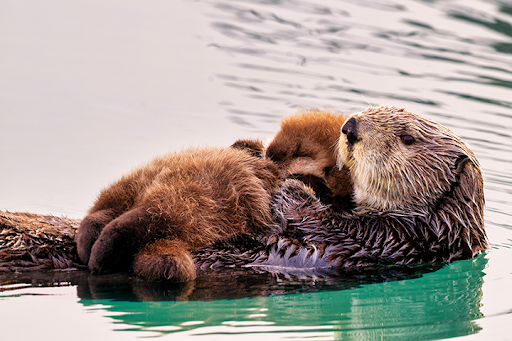
1. Sea Otters
IUCN Red List Category: Endangered
Ecosystem Role: Control sea urchin populations that would otherwise devastate kelp forests.
Geographical Range: Canada, Russian Federation, United States
Sea otters (Enhydra lutris) are the only otter species that is fully aquatic, residing in kelp forests and estuaries. Kelp forests are home to many other species, as well, from marine mammals and fish to a wide range of invertebrates, including bristle worms, snails, and sea urchins.
Urchins, in particular, eat kelp plants and can erase entire forests if their population is not controlled. In addition to crabs, clams, and other small invertebrates, sea otters feed on sea urchins, managing the population and keeping kelp forests healthy and thriving.
Endangered and largely depleted sea otters face many threats, but the largest is oil spills. They become hypothermic, the oil impacting their insulating fur layer, and may also ingest it when cleaning themselves. Other threats include gill nets, limited food availability, and an increase of diseases such as parasites and protozoal diseases.
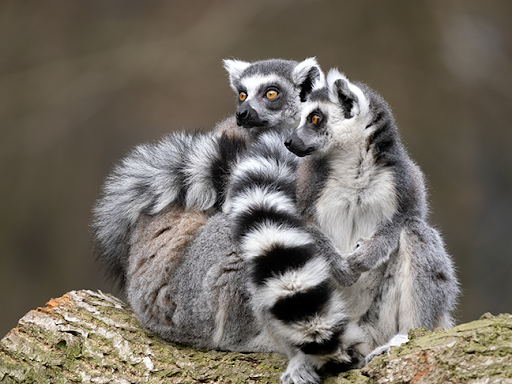
2. Ring-Tailed Lemurs
IUCN Red List Category: Endangered
Ecosystem Role: Disperse seeds for fruit trees and plants.
Geographical Range: Madagascar
Ring-tailed lemurs (Lemur catta) are recognizable by their sharp orange-brown eyes surrounded by dark fur, white bellies, and of course their long, black-and-white tails. These Madagascar natives are omnivores, eating fruits, flowers, insects, and even small birds. Their most imperative ecological role is dispersing fruit and plant seeds through their feces. This dispersal supports the ecosystem’s biodiversity and new tree growth.
According to the Smithsonian's National Zoo & Conservation Biology Institute, about 80% of Madagascar’s forest cover has been lost due to extraction and land clearing. This has made habitat loss the primary threat to ring-tailed lemurs’ survival. Along with habitat loss and hunting, illegal pet trade is also a concern.
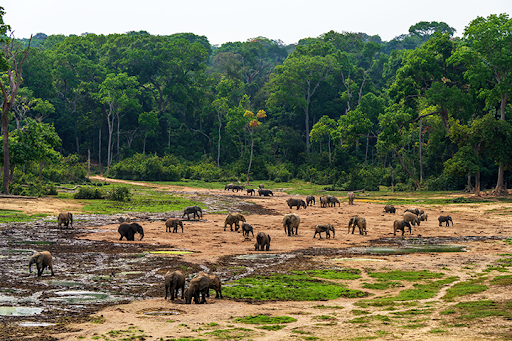
3. African Forest Elephants
IUCN Red List Category: Critically Endangered
Ecosystem Role: Disperse seeds for large-fruited trees; create forest clearings and pathways.
Geographical Range: Angola; Benin; Burkina Faso; Cameroon; Central African Republic; Congo; Congo, The Democratic Republic of the; Côte d'Ivoire; Equatorial Guinea; Gabon; Ghana; Guinea; Guinea-Bissau; Liberia; Niger; Nigeria; Senegal; Sierra Leone; South Sudan; Togo
African forest elephants (Loxodonta cyclotis) are “megaherbivores,” clearing out more than 400 pounds of vegetation per day in their central African regions. You might think this amount is harmful to forest ecosystems, but the opposite is true: The elephants often target smaller trees of low carbon density, thus allowing larger trees to expand their growth given the decrease in competition.
Along with clearing the forest for large carbon-storing trees to grow, African forest elephants help disperse fruit seeds in the same way that ring-tailed lemurs do. After consuming and digesting the contents of fruit trees, the elephants leave droppings behind that later can spread and encourage new tree growth.
According to the International Fund for Animal Welfare (IFAW), while ivory trade is banned in several countries, it is legal in Thailand, Myanmar, and a few other countries. Ivory, the white material from elephant tusks, has been seen as a symbol of wealth for decades, contributing to the African forest elephants’ declining population. The other threat they face is habitat loss due to residential land development, farming, mining, and other human activities.
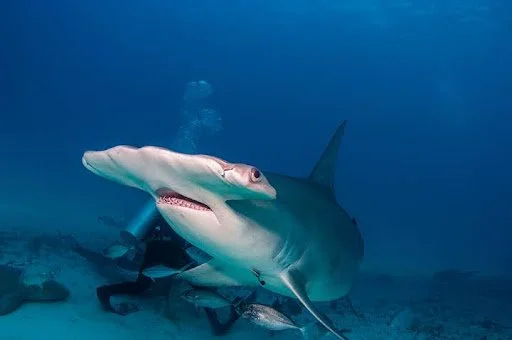
4. Great Hammerhead Sharks
IUCN Red List Category: Critically Endangered
Ecosystem Role: Control smaller marine populations.
Geographical Range: Tropical, coastal waters worldwide
Several shark species are endangered, including great hammerheads (Sphyrna mokarran). These recognizable sharks have a distinctly flattened head, known as the cephalofoil, which it uses to see and detect prey. Like many shark species, great hammerheads are apex predators, taking the vital role of controlling smaller marine populations in its ecosystem.
You may be wondering how an apex predator becomes critically endangered. The greatest threat to great hammerheads is overfishing. Fishers target sharks for shark fin trade, or they get caught as bycatch. This has led to a mortality rate higher than 90% due to the threats they face.
5. White-Bellied Pangolin
IUCN Red List Category: Endangered
Ecosystem Role: Aerate soil by digging for ants and other insects; provide burrows for other animals.
Geographical Range: Angola; Benin; Burundi; Cameroon; Central African Republic; Congo; Congo, The Democratic Republic of the; Côte d'Ivoire; Equatorial Guinea (Equatorial Guinea (mainland), Bioko); Gabon; Ghana; Guinea; Guinea-Bissau; Kenya; Liberia; Nigeria; Rwanda; Sierra Leone; South Sudan; Tanzania, United Republic of; Togo; Uganda; Zambia
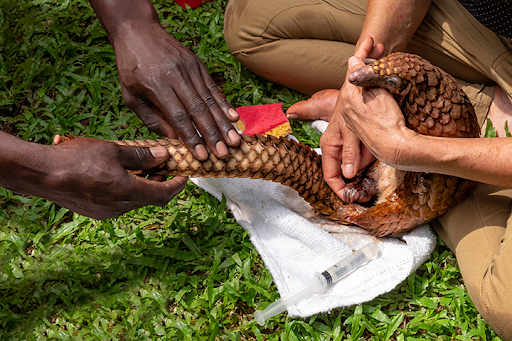
There are several species of pangolins, and all have decreasing populations, according to the IUCN. Pangolins are covered in overlapping keratin scales and have small but long heads. Of the different species, the white-bellied pangolin (Phataginus tricuspis) is smaller, has larger eyes, and uses tail pads to climb. This species can be found in many African countries.
Similar to anteaters, pangolins have the important role of digging for and consuming ants and other insects. Their digging helps aerate soil, and the burrows can then be used by other animals for shelter.
But pangolins are considered “the most trafficked mammals in the world,” according to IFAW. While-bellied pangolins have been targeted for their scales—used for both medicine as well as to make shoes and accessories—and their meat.
6. Red Wolf
IUCN Red List Category: Critically Endangered
Ecosystem Role: Keep deer and other small mammals under control.
Geographical Range: United States (North Carolina)
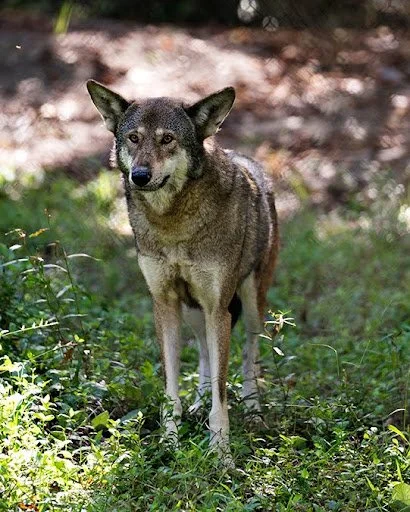
The red wolf (Canis rufus) has a fascinating story behind its critically endangered status. Once found throughout the U.S., this species lost nearly all of its territory. Then, in 1987 and every year until 2014, captive-bred red wolves were reintroduced under the Endangered Species Act.
Unfortunately, a rise in poaching incidents, vehicle collisions, and management failures ruined this progress. While reintroductions are still taking place today, the population is estimated at only 25 red wolves in North Carolina, according to Defenders of Wildlife.
Like great hammerheads, red wolves are apex predators, meaning they are at the top of the food chain in their ecosystem. As a result, they help control deer and other small mammal populations.
7. Mojave Desert Tortoise
IUCN Red List Category: Critically Endangered
Ecosystem Role: Disperse seeds and dig burrows for shelter for other animals to use
Geographical Range: United States (Arizona, Utah, California, Nevada)
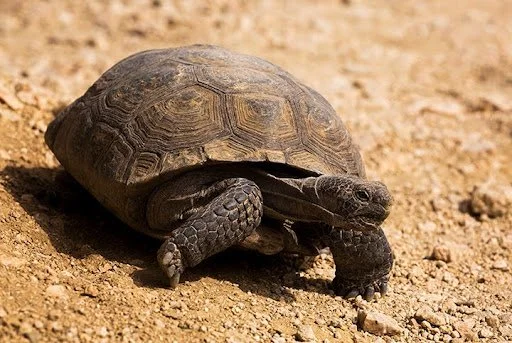
Another ecosystem engineer, desert tortoises (Gopherus agassizii) disperse seeds throughout their environments and dig burrows for shelter, which are later used by other animals such as roadrunners and burrowing owls. Mojave desert tortoises often live from 30 to up to 80 years old, providing long-term support to their ecosystems.
Human development is a primary reason for the tortoise’s critically endangered status. Other threats cited by IUCN include high mortality rates from disease, vehicle-induced mortality, predator attacks, poaching for pets, and increased droughts.
Supporting Our Endangered Keystone Species
Our sustainability efforts are interconnected, meaning one action that helps protect the environment also benefits ourselves and our neighboring plant and animal species. While many of the animals on this list receive support from conservation organizations, they still face ongoing threats every day.
If you are interested in helping these amazing species survive, here are some ways to do so inspired by NOAA Fisheries and IFAW:
Educate yourself about endangered species in your area: Learn about your region’s endangered species, why they’re endangered, and what local organizations are working to protect them.
Observe wildlife responsibly: Do not invade a wild animal’s space or provoke them.
Volunteer at a rescue or rehabilitation center: Many wildlife rescue shelters and rehabilitation centers need volunteers. This direct way to support the cause also helps you learn more about local animals and what they need.
Report animals in distress: If you spot an injured or distressed animal, contact your local wildlife rehabilitation center.
Support animal welfare and conservation policies: As with many environmental and climate change issues, the right policies could accelerate progress. Advocating for legislation that protects endangered species, both locally and nationally, shows policymakers that the issues are important to their constituents.
Incorporate sustainable acts into your life and community: From beach cleanups to reducing wasteful habits at home, every effort matters in creating an environment that is clean and safe for all species to live.