The Hidden Climate Stories Within Our Coral Reefs
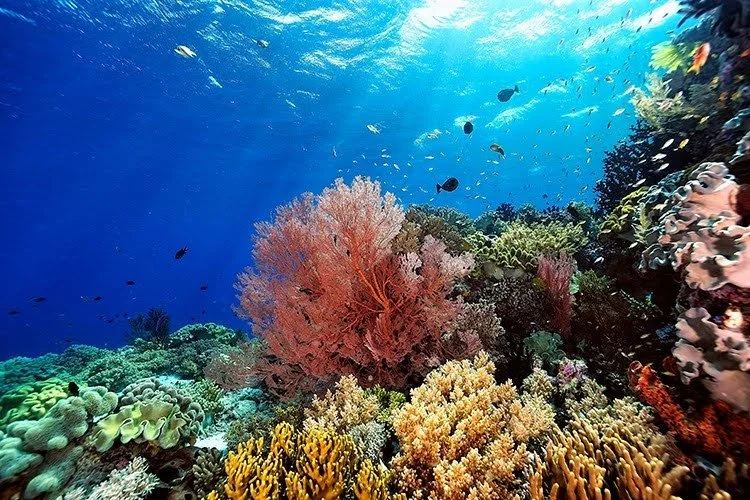
A magnificent ecosystem located in either shallow or deep-sea waters, the coral reef is home to an amazing collection of fish, sponges, and other organisms. Corals are organisms themselves; their bodies (known as polyps) work with algae (known as zooxanthellae) to provide a safe and thriving environment for their inhabitants.
Like many of the world’s natural ecosystems, coral reefs are at risk due to ocean acidification, coral bleaching, and pollution. Understanding how coral reefs function, including their reproductive processes and requirements for survival, helps us protect these oceanic structures and the animals that depend on them. Below, we’ll explore three coral reef stories worthy of your attention.
The Spectacular Event of Coral Spawning
Coral reproduces in a fascinating way. When conditions are right—after a full moon, when the water temperature is warm enough to encourage reproduction—corals within the same environment release gametes, or tiny eggs and sperm, synchronistically into the ocean. The National Oceanic Atmospheric Administration describes this aptly as “an underwater blizzard with billions of colorful flakes cascading in white, yellow, red, and orange.”
Gametes typically only have a few hours to fertilize, a process that takes place on the ocean surface and results in coral larva. Also known as planulae, the larvae find a surface on which to attach and grow new, healthy coral. While not all planulae develop into coral, the simultaneous release of gametes increases the likelihood of successful fertilization.
Coral spawning is crucial to coral’s survival in a given area of the ocean. Interruptions to spawning can threaten the entire coral reefs. In an article published in Nature Communications, the authors study how artificial light at night from coastal developments can advance spawning events. When spawning occurs early, such as during a full moon instead of after one, gametes have a lesser chance of successful fertilization due to the tidal fluctuations.
In addition to artificial light, coral bleaching (the subject of our next story) not only disrupts spawning events but also weakens coral reefs.
How Bleaching Breaks Down the Coral-Algae Relationship
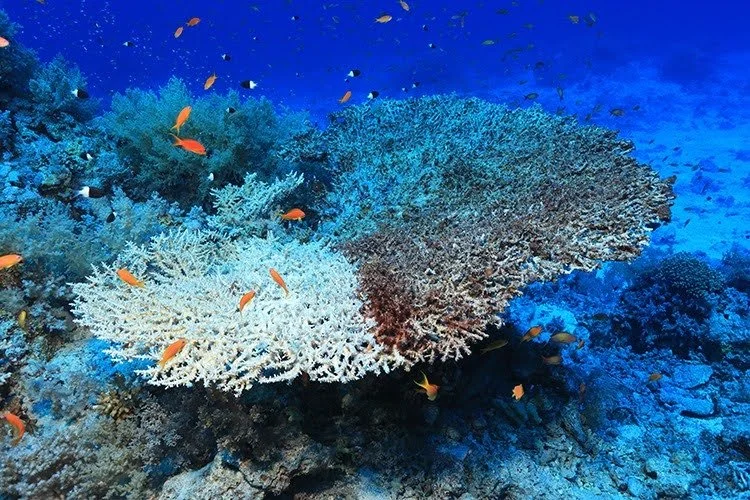
Did you know that coral’s colors—sometimes green-brown, sometimes bright pink, red, or blue—come from algae? Algae lives on coral, and its process of photosynthesis produces its color. (The brighter colors come out due to coral’s protein pigments.) The two species have a symbiotic relationship, exchanging nutrients and helping one another survive.
Rising seawater temperatures affect the coral-algae relationship. When coral reefs experience oxidative stress, algae break away, causing coral bleaching, when the coral turns completely white. While algae-free corals look ghostly, they are not dead, just weakened and at greater risk of permanent damage.
Unfortunately, coral bleaching is quite common. In 2025, NOAA confirmed the fourth global coral bleaching event, which took place between January 2023 and September 2025. Of all the world’s coral reefs, approximately 84.4% were impacted by bleaching-level heat stress.
Bleached corals can recover when algae returns and reattaches itself, but this can only happen if water temperatures drop back down—often a gradual process. Conservation efforts can help to speed up this process and improve the chances of recovery.
How Parrotfish Keep Coral Reefs Thriving
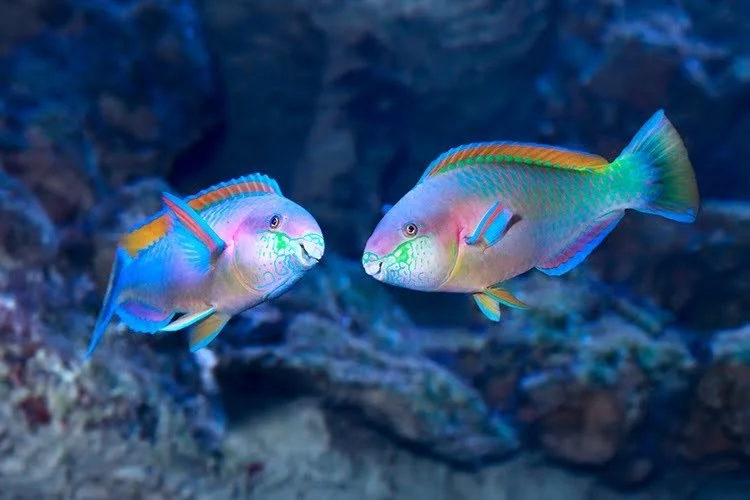
In the face of climate change, coral bleaching, and other threats, parrotfish are helping coral reefs survive. Brightly colored and found in tropical waters, these fascinating fish have mouths shaped like beaks, containing powerful teeth that can cut through metal. They use their teeth to eat tons of algae, controlling the population and balancing the coral reef ecosystem. If algae were to grow freely, it would likely overtake coral, thwarting its growth.
According to The Nature Conservancy, because parrotfish are considered a delicacy in many countries, they are overfished particularly in the Caribbean and South Pacific waters. And the coral reefs in these areas have been impacted by the resulting overgrown algae. Fortunately, because of this research, conservation groups now protect parrotfish populations in many coral reefs.
How You Can Support Coral Reef Conservation
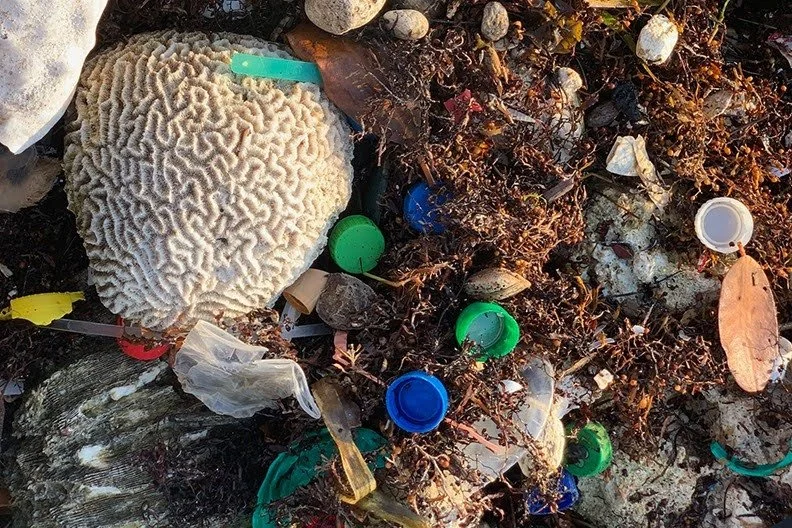
Protecting coral reefs and the animals and organisms that depend on them requires widespread effort. Many general sustainability recommendations—throw out your garbage properly, save energy at home by turning off lights when you leave the room—are small but important efforts that support many ecosystems, including coral reefs. Here are some additional, coral-specific suggestions:
Make Reef-Safe, Climate-Friendly Choices
First up, choose your sunscreen wisely. Certain ingredients in sunscreens can be harmful to coral health, according to the EPA. Look for options that include UVA and UVB filters, along with active ingredients like zinc oxide and titanium dioxide. Avoid products that include the chemicals listed on the Haereticus Environmental Laboratory list.
If you are someone who likes to snorkel or dive near coral reefs, make sure to steer clear and never reach down to touch them. Also avoid corals when anchoring a boat and look for a vacant, sandy spot instead.
Other at-home efforts can make a difference. Conserving water, for instance, can reduce runoff and wastewater, which can end up in the ocean and bring toxins into the coral reef ecosystem. Reducing your use of plastic items and limiting chemical fertilizers are also small steps that keep corals safer.
Support Conservation Organizations
Looking to get involved as a volunteer or to just learn more from activists, scientists, and other coral reef experts? There are numerous organizations all over the world that you can support in many ways. Check out the following groups and their websites for information about how to get involved.
Coral Reef Alliance: Works directly with coastal communities to increase coral reef resilience and help reefs adapt to climate change impacts.
NOAA Coral Reef Conservation Program: Designed to protect, conserve, and restore the nation's coral reefs by restoring viable coral populations and reducing land-based sources of pollution.
The Ocean Agency: Creates media and tools to raise public awareness about ocean issues and drive conservation action.
Reef Check Foundation: Trains volunteer divers and communities to conduct standardized coral reef surveys.
Amplify Awareness
One of the best ways to advocate for an environmental or climate issue is to spread the word. People can only take action when they have a strong awareness and understanding of the threats coral reefs and coral reef species face.
In order to get the word out, you can:
Sign petitions, call your local officials (especially if you live in a coastal community), and advocate for stronger marine protection policies.
Watch documentaries about coral reefs (such as Chasing Coral) with your friends or family.
Educate children about coral reefs and the species that live in reefs through books and activities.
Organize an event in your community, such as a beach cleanup, to raise awareness.